
A Tea-and-Coffee Setup That Doesn’t Cost the Earth
 Kaushik Kyada
July 4, 2026
7 min read
Kaushik Kyada
July 4, 2026
7 min read
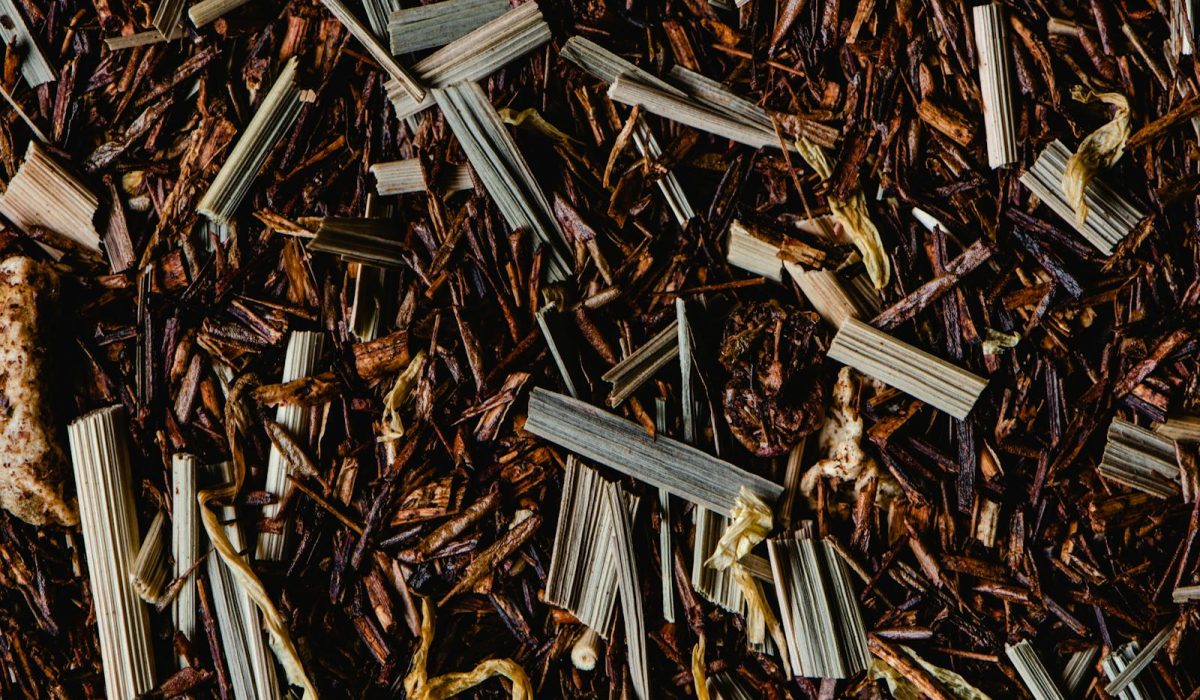
Every takeaway cup, foil pod, and single-use paper filter that moves through a morning routine ends up somewhere, and that somewhere is usually a landfill. For anyone living in a small footprint, a deliberate tea and coffee station erases almost all of that waste while keeping the ritual you actually care about. It also runs on a surprisingly small amount of water and electricity, which matters a great deal when both arrive from a tank and a battery instead of a municipal line.

Waste is mostly a packaging problem
Before buying a single appliance, look at what you throw away. The disposable parts of a coffee or tea habit are rarely the drink itself. They are the pods, the lined paper cups, the plastic-backed bags, and the paper filters. Replace those four things and the rest of the routine cleans up on its own.
- Whole beans or loose-leaf tea bought in bulk. Bring your own jar to a refill shop, or buy the largest bag you will realistically finish. One large bag stands in for dozens of pods or foil tea sachets.
- A reusable filter. A stainless steel mesh cone, a cloth filter, or the metal screen built into a French press takes paper out of the equation entirely.
- A ceramic or steel mug kept within reach. The paper cup is the most visible piece of waste in the whole chain, and it is the easiest one to drop.
- A small scale or a marked scoop. Measuring grounds and water means you brew only what you drink and heat only what you pour.
Spent grounds and used leaves go straight into a compost bucket or a worm bin, both of which fit under a counter. Coffee grounds and tea leaves break down quickly and add nitrogen, so the final step of the routine turns into soil rather than trash.
What boiling water actually costs
People tend to assume the electricity is the expensive part. It is not. Heating half a liter of water, enough for two mugs, from room temperature to a boil takes roughly 0.05 to 0.06 kilowatt-hours once you account for a kettle’s losses. At the 2025 U.S. residential average of 17.30 cents per kilowatt-hour, that is under a penny per mug. Boil a full liter and you spend close to two cents.
Run that out across a year. Two hot drinks a day works out to about 40 to 50 kilowatt-hours, or roughly 7 to 9 dollars of electricity for a full year of tea and coffee. The waste you avoid is worth far more than the power you spend. A few habits keep even that small number honest:
- Fill the kettle to the line you need, not to the top. Heating water you then pour down the drain is the most common hidden cost.
- An electric kettle beats a stovetop pot for plain water, because the heating element sits inside the water rather than under a pan losing heat to the air.
- Skip the warming plate on a drip machine. Holding a pot hot for thirty minutes can draw more power than the brew itself did. A vacuum carafe keeps coffee hot with no power at all.
The tap matters as much as the kettle
In a small home, water is not infinite. It arrives in a tank, and every liter you draw is a liter you have to refill and eventually drain. So the faucet you fill your kettle from is worth a second look. A WaterSense labeled bathroom faucet is limited to 1.5 gallons per minute, at least 30 percent below the 2.2 gpm federal standard flow, and the same style of low-flow aerator threads onto most existing taps for a few dollars.
The savings add up over a year. The EPA estimates that replacing old faucets and aerators with WaterSense labeled models saves the average family about 700 gallons of water a year. In a house running on tank water, that means fewer refills, less pumping, and a lighter load on a greywater system. You still fill a kettle at a speed you barely notice; you simply stop moving water you were never going to use.
A real setup: 240 square feet, two drinkers
Picture a couple in a 240 square foot cabin on solar power with a 40 gallon water tank. Their entire station fits on one shelf: a 1 liter electric kettle, a French press, a small burr grinder, a 1 kilogram bag of whole beans refilled monthly, a tin of loose-leaf tea, and two steel mugs.
One shelf, no pods, no paper filters, and a compost tin tucked underneath. The whole routine costs them under ten dollars of electricity a year and a few gallons of water a week.
In the morning, one person grinds enough beans for the press while the other heats exactly half a liter for two cups. Grounds go into the compost tin. In the afternoon the same kettle heats water for tea. Across a week they generate almost no trash from drinks: an empty bean bag once a month and a tea tin every couple of months, both recyclable. Their draw for hot water stays near a rounding error on the battery, and the low-flow tap means the tank lasts noticeably longer between fills.
Scaling up without wasting energy
The math shifts the moment you brew for more than yourself. If your small space doubles as a guesthouse kitchen, a co-living space, or a weekend market stall, a larger machine earns its place only when it is efficient. ENERGY STAR certified commercial coffee brewers run about 27 percent more energy efficient than standard models, a gap that shows up quickly when a machine stays on all day. Over the life of the equipment, an ENERGY STAR certified brewer saves roughly 180 dollars in energy compared with a standard model. For a personal setup a plain kettle still wins, but once you are brewing for a crowd, the certified label is the first number to check.
When the setup goes sideways
A low-waste station has a handful of predictable failure points. None of them should send you back to pods.
- Scale in the kettle. Hard water leaves white mineral buildup that slows heating and quietly wastes power. Boil a mix of equal parts water and white vinegar, let it sit, then rinse well. Once a month is plenty in most areas.
- A musty reusable filter. Cloth and mesh filters trap coffee oils. Rinse them right after use, let them dry fully, and give them a baking soda soak weekly. A filter you cannot keep clean is better swapped for a French press screen.
- Weak solar in winter. If your battery runs tight on gray days, boil water on a propane burner instead and save the stored electricity for lights. The waste picture does not change; only the energy source does.
- Compost that turns sour. A scrap bin goes off when it sits wet and sealed. Add a handful of dry material, keep the lid loose, and empty it every few days.
Frequently asked questions
Are refillable pods a fair compromise if I already own a pod machine?
They help, because a refillable pod removes the single-use plastic and foil and lets you fill it with your own grounds. Keep in mind that the machine itself is the least repairable link in the chain. When it eventually fails, a kettle and a French press will outlast several pod machines and cost less to run the whole time.
Does an electric kettle really beat heating water on the stove?
For plain water, yes, because the element sits in the water and loses very little heat to the surrounding air. A gas flame under a pot sends a good share of its heat up the sides and into the room. The one exception is an off-grid home with plenty of propane and a tight battery, where a stovetop kettle spares your stored power for other uses.
How do I keep loose-leaf tea and whole beans fresh without plastic?
Store them in an airtight, opaque tin or a glass jar kept in a cupboard away from heat and light. Buy quantities you will finish within a month or two, so freshness rather than packaging sets the pace. A small jar on the shelf for daily use and a larger sealed tin in the cupboard for the rest covers most homes.
Kaushik Kyada
Keep reading

Pet-Friendly Tiny Living: Dogs and Cats in Small Spaces
A dog or a cat does not need a large house so much as a small one arranged around its habits. Give…
A Small-Home Sunday That Sets Up the Week
A loose Sunday routine that resets the home, the kitchen, and the calendar, without sacrificing the day off.

Buying Less Without Feeling Deprived
Small mindset shifts that make consuming less feel like an upgrade, not a sacrifice.