
Reusable Systems That Actually Stick
 Kaushik Kyada
June 27, 2026
7 min read
Kaushik Kyada
June 27, 2026
7 min read
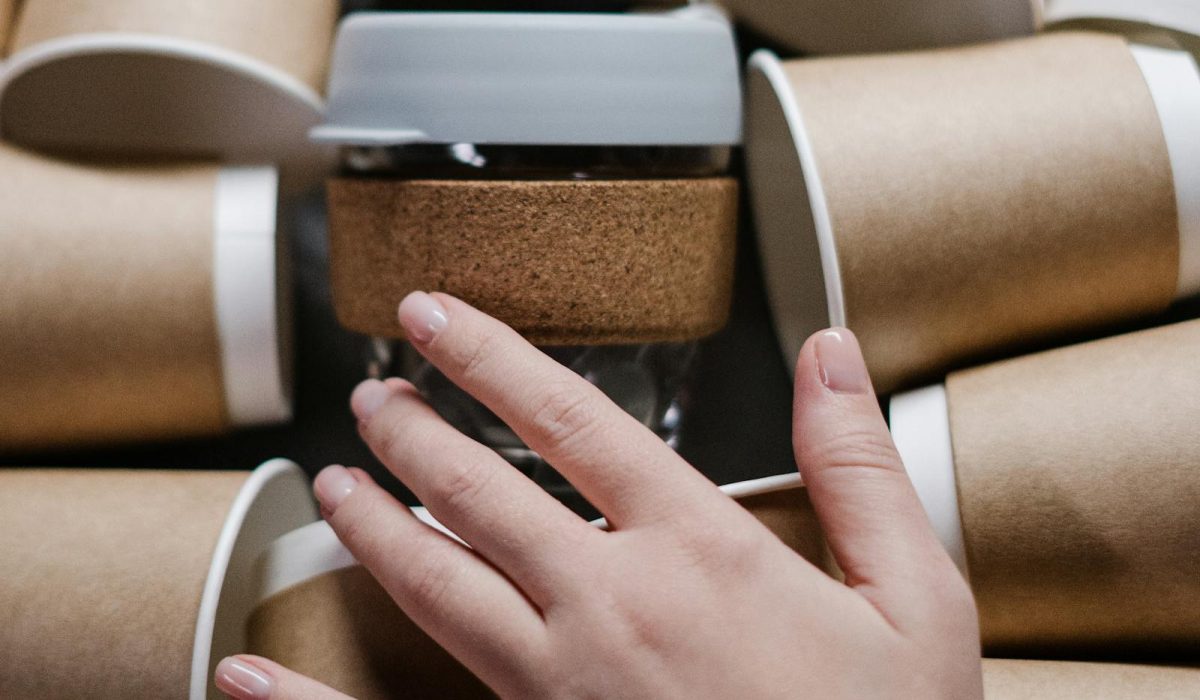
Reusable gear only pays off if it gets reused. Most of it fails not because the product is bad but because the system around it never got built. Set things up once, and “I keep forgetting” quietly turns into “I never even think about it.” In a tiny home, where every gallon of water and every square foot of storage is accounted for, that difference decides whether your good intentions survive past week two.

The move is to lean on systems that keep working while your attention is somewhere else. Some of those systems are fixtures you install and forget. Others are small habits you make automatic by changing where things live. Here is how to build both so they actually stick.
Let the plumbing do the saving for you
The most reliable water system is the one you cannot forget to use, because it works every time you turn a handle. Fixtures are that kind of system. You install them once and they save water on every use for years, no willpower required.
Start at the shower, since it is usually the biggest draw in a small home. A WaterSense-labeled showerhead uses no more than 2.0 gallons per minute, against the federal standard of 2.5 gpm for conventional showerheads, a 20 percent cut that a tiny home’s small water system feels right away. On a 40 gallon fresh tank, that is the difference between a comfortable shower and a nervous one.
The bathroom sink is next. A WaterSense-labeled faucet or aerator caps flow at 1.5 gpm instead of the 2.2 gpm standard, saving a typical household about 700 gallons a year. An aerator costs a few dollars and screws on in under a minute, which makes it the cheapest system upgrade on this list.
If your tiny home uses a flush toilet rather than a composter, the fixture math is just as clear. A WaterSense-labeled toilet flushes with 1.28 gallons or less, versus the 1.6 gpf federal standard, saving the average household close to 13,000 gallons a year. In a home hauling its own water and its own waste tank, fewer gallons in means fewer gallons to pump out.
Close the loop with a composting toilet
Plenty of tiny homes skip the flush toilet entirely, and the reason is a system that turns waste into something you handle on your own schedule instead of the grid’s. A composting toilet separates liquids from solids so odor stays down and the solid bin breaks material down slowly.
The Nature’s Head unit routes urine into a 2.2 gallon bottle and holds roughly 60-80 solid uses before the compost bin needs emptying. For one person that can mean about a month between bin changes; for a couple, closer to two or three weeks. The liquid bottle, though, fills far faster, so build your routine around it: a fixed emptying day beats waiting for the “full” moment that always arrives at the wrong time.
Catch what falls on the roof
Water you collect yourself is water you never have to haul. Rain catchment is the input side of a tiny home’s water system, and the sizing math is simpler than most people expect.
One inch of rain on a 1,000 square foot roof yields about 600 gallons of harvestable water.
Most tiny homes have far less roof than that, so scale it down. A 200 square foot roof, common on a home built on a trailer, still yields around 120 gallons per inch of rain. Multiply that by your local rainfall and you can see at a glance whether catchment covers a useful share of your needs or just tops up a garden barrel. Pair it with the fixtures above and a modest roof plus a couple of wet months can carry a careful household a long way.
A workable starter setup is short:
- A gutter along the longest roof edge, pitched toward one downspout.
- A first-flush diverter that dumps the initial dirty runoff before clean water reaches the tank.
- A food-grade storage tank sized to your dry spells, not your average month.
- A basic sediment filter, plus proper treatment before anything reaches a tap you drink from.
A week in a 24 foot tiny home
Picture two people in a 24 foot home with a 40 gallon fresh tank, the fixtures above, and a Nature’s Head toilet. Showers run at 2.0 gpm, so two four minute showers a day come to about 16 gallons. The 1.5 gpm faucet handles dishes and brushing teeth. No flush water leaves the tank at all, because the toilet is dry.
Under that setup the fresh tank stretches to roughly two and a half days between fills instead of a day and a half with standard fixtures. The urine bottle gets emptied every second morning on a fixed schedule, the solid bin every two to three weeks. A 200 square foot roof catches enough in a single half inch shower to refill most of the fresh tank, so a rainy stretch means the couple barely touches the spigot. Nothing here depends on remembering to conserve. The numbers add up in your favor because the systems were chosen well.
Make the reuse habits automatic
Fixtures handle themselves. Reusable gear does not, and that is where most eco plans quietly fall apart. The fix is to design the trigger, not to try harder. A reusable item gets used when it is the easiest option within reach at the moment of the decision.
- Put the reusable where the disposable used to be. Cloth towels on the hook by the counter, paper towels in a hard to reach cupboard. You grab whatever is closest.
- Keep a full set of spares staged. Clean cloth napkins, produce bags, and containers ready to go, so the reusable is never the inconvenient choice.
- Give dirty items an obvious home. A small bin for used cloths right next to the clean stack closes the loop without a trip across the home.
- Attach one-in-one-out to laundry day. When the wash runs, the clean cloths go back on the hook. The cycle refills itself.
The pattern is the same every time: reduce the number of decisions to zero. If reuse requires a choice, some days you will choose wrong. If reuse is simply the thing sitting in front of you, you can barely help but do it.
What to do when it goes wrong
Systems drift. Here is how to read the common failures before they turn expensive:
- Odor from the composting toilet. Almost always a fan or airflow problem, not a “full” problem. Check that the vent fan runs and the liquid bottle is not overfull. Empty the bottle on your fixed day and the smell usually clears.
- The fresh tank drains faster than the math says. Look for a running or dripping fixture first, then confirm your new aerator and showerhead were actually installed and not left in the box. A single missed fixture undoes a lot of the savings.
- Rain tank water looks or smells off. Suspect the first-flush diverter or a gap letting debris in. Clean the gutter, service the diverter, and do not drink catchment water without proper filtration and treatment.
- The cloth-towel habit slips. That is a placement failure, not a discipline failure. If you keep grabbing paper, the paper is too easy to reach. Move it.
Treat every slip as feedback about the system rather than about yourself. Fix the trigger and the habit comes back on its own.
Frequently asked questions
Do low-flow fixtures actually work in a tiny home, or do they just feel weak?
They work, and the small scale of a tiny home makes the benefit more obvious, not less. A WaterSense showerhead at 2.0 gpm still delivers a full spray because the label tests for performance as well as flow. In a home on a 40 gallon tank, the extra minutes of hot water you gain are easy to feel, which is the opposite of weak.
How often will I really be emptying a composting toilet?
Two schedules run at once. The solid bin lasts roughly 60-80 uses, so weeks for one person and a bit less for two. The liquid bottle fills much faster, often every day or two, so most of your maintenance is a quick bottle empty. Put it on a fixed day and it stops feeling like a chore you forgot.
Is rainwater catchment worth it on a small roof?
Yes, once you do the math for your own roof. Since 1,000 square feet yields about 600 gallons per inch, a 200 square foot roof still gives you around 120 gallons per inch of rain. In a wet region that can cover a real share of a careful household’s use; in a dry one, treat it as a supplement rather than your main supply.
Kaushik Kyada
Keep reading

Conscious Consumption Without the Guilt Trip
A grounded approach to buying less stuff, focused on quality, repair, and the rhythm of a calmer household.

Pet-Friendly Tiny Living: Dogs and Cats in Small Spaces
A dog or a cat does not need a large house so much as a small one arranged around its habits. Give…

A Low-Waste Kitchen Without the Lecture
How to set up a small kitchen that produces a fraction of typical waste, without making meals feel like a test.