
Sustainable Cleaning That Actually Cleans
 Kaushik Kyada
July 1, 2026
8 min read
Kaushik Kyada
July 1, 2026
8 min read

You can keep a home genuinely clean with five products, and three of them come off a pantry shelf. Distilled white vinegar, baking soda, and a bottle of liquid castile soap cover most of the daily work, and the long wall of specialized sprays turns out to be optional once you own a good cloth and know which job takes which mix. In a tiny home the case is stronger still, because a cabinet of half-used bottles is space you cannot spare.
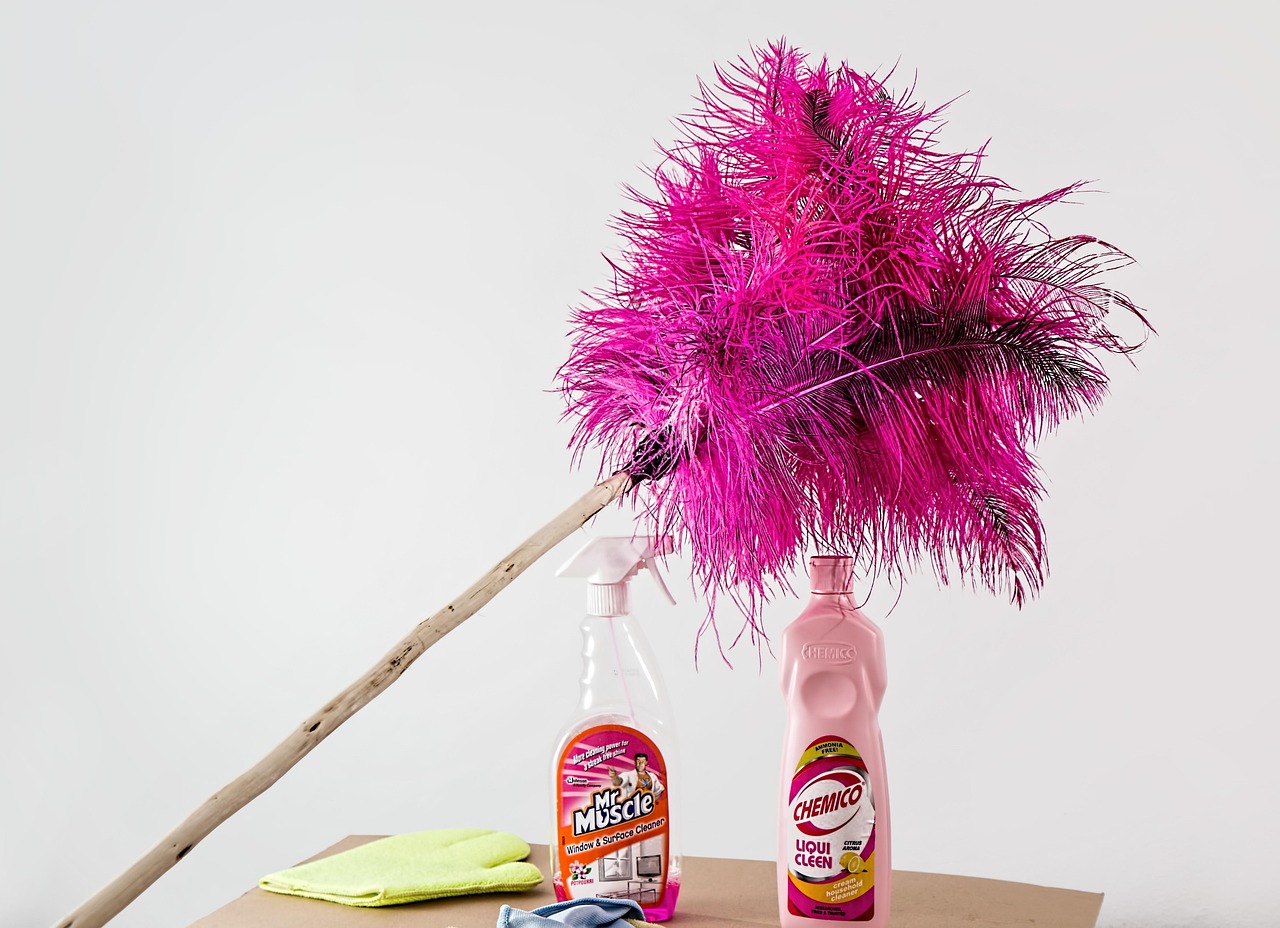
What the cleaning aisle is actually selling you
The reason to thin out the cabinet is not only clutter. Many conventional cleaners release volatile organic compounds into the air of a closed room, and a small home traps them fast. The EPA’s Total Exposure Assessment Methodology study found that levels of about a dozen common organic pollutants run 2 to 5 times higher inside homes than outdoors, in rural and industrial areas alike, with cleaning products named as a primary indoor source. A small space with the windows shut concentrates that faster than a large house does, a practical reason to reach for fewer strong chemicals, not a moral one.
The three pantry items and the five products they make
Three staples do the mixing work, and the two you buy fill the gaps the mixes honestly cannot.
- All-purpose spray: equal parts distilled white vinegar and water in a spray bottle. It handles counters, the dining table, sealed tile, appliance exteriors, and the fridge interior. Keep it off natural stone, unsealed grout, waxed wood, and rubber seals, where the acid does real harm.
- Soft scrub: baking soda worked into a paste with a few drops of castile soap. This is your bathtub, sink, and cooktop scrubber, and it replaces the gritty cream cleansers sold for triple the price.
- Dish and hand wash: liquid castile soap, diluted to the bottle’s directions. One product covers dishes, hands, and, thinned further, the floor.
- Glass and mirror: the same vinegar and water spray, buffed dry with a clean microfiber cloth rather than paper towels.
- One real disinfectant: a single store-bought, EPA-registered disinfectant kept for the few jobs that need it, such as the cutting board after raw chicken or the bathroom when someone is sick. The pantry mixes clean well, but they do not disinfect to any tested standard, and pretending otherwise is where “natural cleaning” earns its bad reputation.
The vinegar spray and the soap-based products stay in separate bottles on purpose. Acid and soap cancel each other into a curdled film, so a combined bottle cleans worse than either one alone.
The cloth does more of the work than the chemical
The single change that improves cleaning quality the most is not a product at all, it is the cloth. In a controlled hospital study, a microfiber mop system removed 95% vs 68% of microbes from floors compared with a conventional cotton string mop, and both were used with only a plain detergent, no disinfectant added to either. Plain microfiber, in other words, cleaned as well as the chemical-heavy routine it replaced, because the fiber structure lifts and traps soil instead of pushing it around.
The durability math is what makes microfiber a good fit for a small, low-waste home. A UMass Lowell case study reports that the useful life of a microfiber mop is about 10 times that of a conventional cotton loop mop, and that the fabric holds roughly 6 times its weight in water, so it cleans more per pass and needs refilling less often. The pads themselves can survive over 300 launderings and go back into service, against roughly 75 cycles for a cotton string mop. Buy a few flat microfiber cloths and one microfiber mop, wash them, and you can go years without replacing either.
When you do buy a bottle, read the label
Two of the five products, the dish soap and the disinfectant, are things you buy rather than mix, and the label is where you separate a genuinely safer product from a green-colored bottle. The EPA’s Safer Choice program certifies products that meet its safety and performance criteria, and it has approved nearly 2,000 products while maintaining a Safer Chemical Ingredients List of more than 950 chemicals. A Safer Choice logo on the front means the formula was reviewed ingredient by ingredient, which is a far better signal than the words “natural” or “eco” printed by a marketing team.
Cleaning runs down a water bill too
Cleaning quietly uses water: rinsing cloths, filling the mop bucket, wiping down the shower. In a tiny home on a holding tank or a well pump, that water is a real constraint, not an abstraction. A WaterSense labeled bathroom sink faucet uses a maximum of 1.5 gallons per minute, which trims a sink’s flow by at least 30 percent from the standard 2.2 gallons per minute, so every cloth you rinse and every bucket you fill costs less. Swapping in a WaterSense aerator is a five-minute job that then saves with no further thought.
A useful test for any cleaning purchase: will it still be earning its place a year from now with no effort from me? A microfiber cloth and a low-flow aerator pass. A single-use wipe usually does not.
A worked example: one Saturday in a 250 square foot home
Say it is Saturday morning in a 250 square foot cabin, and the whole clean has to fit in 40 minutes before the day starts. You open two windows first, which matters more in a small sealed space than in a large one. You mist the counters, the dining table, and the fridge shelves with the vinegar and water spray, then wipe with a damp microfiber cloth. The cooktop and the bathroom sink get the baking soda paste, scrubbed with a second cloth and rinsed under the low-flow faucet. Mirrors and the one window over the sink get the same spray, buffed dry with a third, dry cloth so nothing streaks.
The floor is last. You run the microfiber mop with a bucket of warm water and a capful of castile soap, no disinfectant, because the study above shows the cloth is doing the real work. The cutting board, which held raw chicken on Friday, is the only thing that gets the store-bought disinfectant, left to sit the full contact time on the label before it is rinsed. Everything used goes into one laundry bag: three cloths and a mop pad, washed later with no fabric softener. The whole chemical footprint for the morning is diluted vinegar, baking soda, a squirt of soap, and one targeted disinfectant on the single surface that needed it.
When the natural method does not work
The honest version of this approach includes its failure points, because pretending vinegar solves everything is exactly how people give up on it.
- You need to disinfect, not just clean. After raw meat, or during a stomach bug, cleaning alone is not enough. Reach for the EPA-registered disinfectant, apply it, and respect the contact time on the label, usually several minutes of the surface staying visibly wet. Vinegar does not qualify.
- Streaky glass. Streaks are almost always soap residue or a dirty cloth. Use plain vinegar and water with no soap in it, and buff with a dry microfiber cloth instead of paper towel.
- The baking soda scratched something. It is a mild abrasive, which is the point, but it can dull soft or coated surfaces. Test on a hidden corner first, and keep it off glossy acrylic, some cooktops, and polished stone.
- Vinegar damaged a surface. Acid etches natural stone, degrades waxed and unsealed wood, and hardens rubber gaskets over time. If it lands on one of these, rinse with water and switch to the diluted castile soap for those materials from then on.
- Microfiber stopped grabbing dust. That is fabric softener coating the fibers. Wash the cloths with detergent only, skip the softener and dryer sheets, and air dry or tumble on low.
Frequently asked questions
Does vinegar actually disinfect?
No, not to any regulated standard. Diluted vinegar cleans well, removing dirt, grease, and a good deal of surface grime, and for everyday counters and glass that is genuinely enough. But it is not an EPA-registered disinfectant and should not be trusted to kill pathogens after raw meat or during illness. For those jobs, keep one registered disinfectant and follow its contact time. Clean with the pantry mixes, disinfect with the labeled product, and do not confuse the two.
Is microfiber a good idea if I am trying to cut plastic waste?
It is a genuine tradeoff. Microfiber is made from plastic and sheds tiny fibers in the wash, which is a real downside worth naming. Against that, one microfiber cloth or mop pad replaces a long run of paper towels and disposable pads: the fabric lasts about 10 times as long as a cotton loop mop and survives over 300 washes. Buy few, use them for years, wash them in a fiber-catching bag, and skip single-use wipes. Fewer, longer-lived cloths beat a steady stream of disposables.
Which five products do I actually need, and where do they go in a tiny home?
Three you mix: distilled white vinegar, baking soda, and liquid castile soap. Two you buy: a Safer Choice dish soap and one EPA-registered disinfectant. That is a spray bottle, a box, two bottles, and a jar of scrub paste, which fits in one under-sink caddy. Add three or four microfiber cloths and a mop, and the kit takes less room than the specialized sprays it replaces.
Kaushik Kyada
Keep reading

Refill Systems Without the Co-op Trek
How to refill household basics, soap, oil, vinegar, without driving across town to a specialty store.

Pet-Friendly Tiny Living: Dogs and Cats in Small Spaces
A dog or a cat does not need a large house so much as a small one arranged around its habits. Give…

Composting in 200 Square Feet (Really)
A calm beginner’s guide to apartment and tiny-home composting, bokashi, freezer, worm bin, and where each works.