
Portable Solar Panels: What Actually Works
 Kaushik Kyada
July 16, 2026
7 min read
Kaushik Kyada
July 16, 2026
7 min read

Portable solar earns its reputation as the friendliest way into off-grid power. You buy a folding panel, clip it to a battery the size of a lunchbox, and within an hour you are charging phones off sunlight with nothing to install and nothing to permit. The trouble starts when people treat the number printed on the panel as the number they will actually get. A 100-watt panel is a 100-watt panel only in a laboratory, and a tiny home runs on real afternoons: haze, passing clouds, and shade from the neighbor’s oak. This guide is about closing the gap between the label and the parked-trailer reality, with the specific numbers that let you size a setup before you spend a dollar.
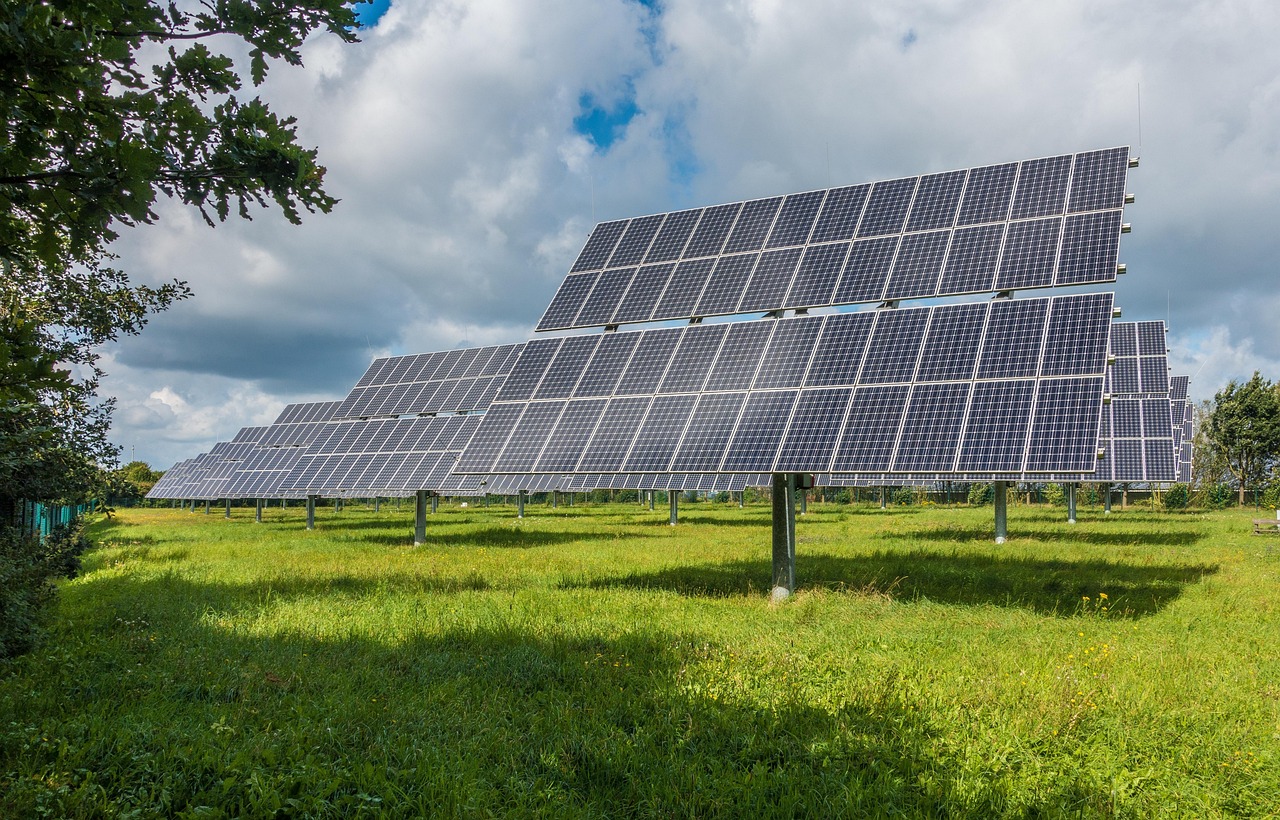
Rate the panel against your real load, not the label
Every panel’s headline wattage comes from a bench test, not a backyard. Manufacturers rate panels under Standard Test Conditions of 1,000 watts per square meter of irradiance, a 25°C cell temperature, and an air mass of 1.5, a controlled lab scenario that a folding panel propped against a picnic table almost never reaches. Real portable output usually lands somewhere between 60 and 80 percent of the nameplate figure once you account for heat, sun angle, cable losses, and a charge controller that clips the peaks. Plan your day around the low end of that band and any surplus becomes a pleasant surprise instead of a shortfall.
It also helps to know what you are not trying to do. The scale of a portable rig looks tiny next to a grid connection: the average U.S. residential utility customer used about 10,791 kilowatt-hours in 2022, roughly 899 kWh per month, which works out to near 30,000 watt-hours a day. A single 100-watt panel on a good day might deliver 350 to 450 watt-hours, or a bit more than one percent of that household baseline. Portable solar is not a house replacement. It is an essentials machine: lights, phones, a laptop, a fan, a small pump, and maybe a compact fridge if you plan for it.
What the spec sheet is really telling you
Once you accept the derating, the spec sheet becomes a shopping tool rather than a promise. Four lines matter most: rated watts, weight, cell type, and price per watt. Take a name-brand reference point. Goal Zero’s Nomad 100 is rated at 100 watts, weighs 10.2 lbs (4.6 kg), uses monocrystalline cells, and lists at $399.95. That is right around four dollars per watt, the premium end of the market. Generic 100-watt folding panels routinely sell for a third of that, so the brand tax is real, and it buys you connector quality, kickstand durability, and warranty support rather than more electricity.
Cell efficiency is the other line people misread. Higher efficiency means more watts squeezed out of the same physical area, which matters when roof or ground space is tight on a small lot. Jackery rates its SolarSaga 100W panel at up to 24.3% solar conversion efficiency with an IP65 waterproof rating, near the top of what consumer monocrystalline panels claim today. Efficiency does not push a 100-watt panel above 100 watts; it just lets the panel be smaller and lighter for the same output. For a portable kit you carry and reposition several times a day, pack size and weight often matter more than a couple of efficiency points.
Buy for watt-hours per pound and watt-hours per dollar, then treat the nameplate wattage as a ceiling you will spend the whole day trying to approach.
A worked example: three days of essentials in a parked tiny home
Say you park a tiny home for a long weekend, fully off-grid, and want the basics to keep running through cloudy stretches. Start by tallying a realistic daily load rather than guessing:
- LED lighting, four hours a night: about 30 watt-hours.
- Phone and laptop charging for two people: roughly 120 watt-hours.
- A 12V compressor fridge or cooler cycling through the day: 250 to 400 watt-hours.
- Water pump and a small fan: about 60 watt-hours.
That is roughly 500 to 600 watt-hours a day. To carry you through a cloudy afternoon and an evening, size the battery for at least a full day and a half of reserve, so a power station in the 700 to 1,000 watt-hour range is the honest minimum. For generation, one 100-watt panel delivering 350 to 450 watt-hours on a clear day does not quite cover a load that includes the fridge, so two 100-watt panels (or a single 200-watt unit) give you the headroom to refill the battery while you are also drawing from it. Point the panels south, tilt them toward the sun, and reposition them once at midday. On an overcast day expect to lose half your generation, which is exactly why the battery reserve, not the panel, is what keeps the fridge cold.
When panels move from portable to permanent
Plenty of tiny-home owners start with a folding panel and later bolt panels to the roof for hands-off charging. The moment you do that, you cross from an appliance you unplug into a fixed electrical installation, and code enters the picture. The most relevant rule is rapid shutdown, which exists so a firefighter is not standing on a live roof. Under NEC 690.12, controlled conductors inside the array boundary must drop to 80 volts or less within 30 seconds (and to 30 volts or less outside that boundary) when the system is shut down. A single folding panel sitting on the grass is not a rapid-shutdown concern, but a roof-mounted string on a tiny home usually is, and it typically calls for module-level electronics and a labeled shutoff. If you rent your lot or plan to insure the build, get the fixed portion inspected rather than assuming a portable exemption carries over.
When it goes wrong
Most portable-solar failures are not dead panels; they are small mistakes that quietly halve your output. Work through these before you blame the hardware:
- The panel charges nothing. Check the charge controller or power station input first. A mismatched connector or a controller that has not recognized the panel is far more common than a faulty cell.
- Output is a fraction of expected. Look for partial shade. A single shaded cell can drag down a whole series string, so a shadow from a railing or antenna hurts more than its size suggests. Reposition and watch the wattage climb.
- Numbers collapse on a hot, sunny day. That is heat derating, not a defect. Cells lose efficiency as they warm, so a scorching afternoon can underperform a cool, bright one. Give the panel airflow underneath instead of laying it flat on hot ground.
- The battery drains overnight. Your load is larger than your generation. Trim the draw (the fridge is almost always the culprit) or add a second panel rather than chasing a phantom fault.
Keep one spare cable and one adapter for your specific connector type in the kit. A five-dollar plug is the single most likely thing to strand you, and it is the easiest to carry a backup for.
Frequently asked questions
How many portable panels do I need to run a tiny home full-time?
For genuine full-time living, most people move past a single folding panel to a fixed array of several hundred watts paired with a larger battery bank. A 100-watt portable kit is sized for essentials and short stays, not for running a full household load indefinitely. Size the system to your measured daily watt-hours, add a day of reserve for bad weather, then match the panel wattage to refill that reserve during the sunniest four or five hours.
Are expensive name-brand panels worth it over generic ones?
The electricity is nearly identical watt for watt, so you are paying for connectors, mechanical durability, weatherproofing, and warranty. If a kit lives in a truck and gets set up and torn down constantly, the sturdier hinges and better cables of a premium panel can pay off. If it sits mostly in one spot, a generic panel at a third of the price often makes more sense, provided you verify its real output on a sunny day soon after buying.
Can I leave a portable panel out in the rain?
Check the ingress-protection rating before you assume it. Many quality panels carry an IP65 rating, which handles rain and dust well, but the junction box, connectors, and any attached power station are frequently less protected than the panel face. A brief shower is usually fine for an IP65 panel; sustained storms, standing water, or an exposed charge controller are not. When in doubt, bring the electronics inside and leave only the rated panel out.
Kaushik Kyada
Keep reading
Mini Off-Grid: Living Lightly Without Going Full Hermit
How a modest off-grid orientation, solar supplement, rainwater catchment, manageable backup, fits a normal urban or suburban life.

Compact Cooking Systems for Power Outages
A modest setup that lets you make hot meals during outages, propane, butane, and alcohol stoves compared.
Weatherproofing Before Storm Season
A short, focused checklist of small repairs and supply moves that prepare a tiny home for storms.