
How to Choose a Tiny-Home Trailer: Bumper-Pull vs Gooseneck
 Kaushik Kyada
July 26, 2026
8 min read
Kaushik Kyada
July 26, 2026
8 min read
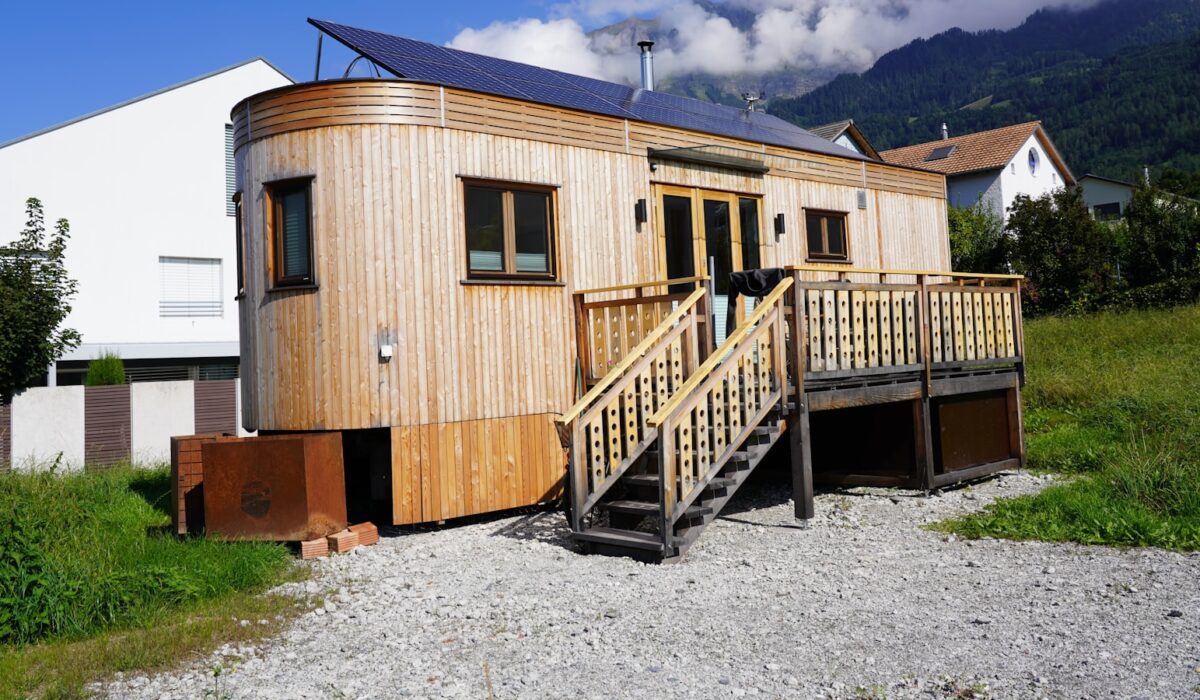
The trailer is the one part of a tiny house on wheels you cannot easily swap out later, so the choice between a bumper-pull and a gooseneck, along with the weight rating you settle on, quietly decides everything you are allowed to build on top of it.
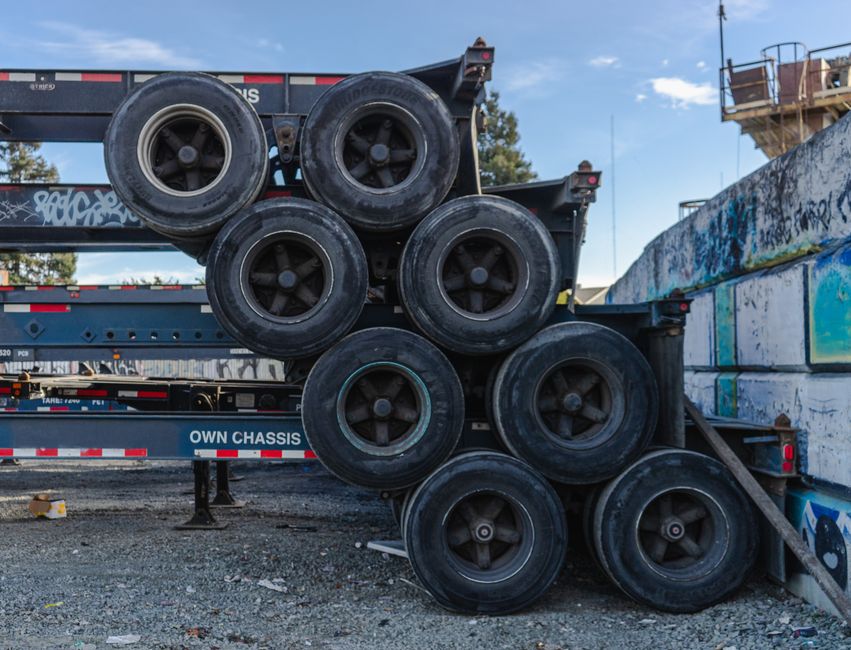
Buyers obsess over layouts and cladding and forget that the steel underneath sets the hard limits. A frame that is too light forces you to trim the build; a coupling that is too small caps how much house you can legally pull down a highway. Both mistakes are painful and expensive to fix after the fact. Getting the choice right the first time is worth an afternoon of arithmetic.
The real difference is where the trailer grabs the truck
Strip away the sales talk and the two trailer types differ in exactly one thing: where the load connects to the tow vehicle. A bumper-pull (also sold as a tag or receiver trailer) couples to a ball behind the rear bumper, so the whole trailer hangs off the back of the truck. A gooseneck couples to a ball or coupler set into the bed of a pickup, directly over or just ahead of the truck’s rear axle. That single change is why the two behave so differently once real weight is loaded on them.
With a bumper-pull, the tongue weight presses down behind the rear axle and levers the front of the truck upward, which is what makes a heavy tag trailer feel twitchy and prone to sway. With a gooseneck, the pin weight sits over the rear axle, so the load pushes straight down through the truck’s strongest point instead of trying to lift the nose. This is why heavier tiny houses trend toward goosenecks as the numbers climb.
Each layout carries trade-offs worth naming plainly:
- Bumper-pull: cheaper, tows behind more trucks and SUVs, keeps the pickup bed free, and parks easily. It gets nervous at high weight and needs sway control to tow well.
- Gooseneck: far more stable under load, tighter turning, and much higher capacity. It needs a pickup with a bed-mounted hitch, costs more, and claims the truck bed you wanted for gear.
The weight numbers that decide the fight
Hitches are rated, and those ratings are the first hard wall you hit. The heaviest bumper-pull receiver hitch you can bolt on, a Class 5, tops out at a 20,000 pounds gross trailer weight, which sets the practical ceiling for any tag-style tiny home. A gooseneck hitch, by contrast, is rated to tow up to 38,000 pounds, nearly double, which is precisely why the biggest and heaviest builds ride on a gooseneck.
A finished tiny house is heavy. A modest 20-foot build often lands between 8,000 and 12,000 pounds loaded, and a 28-foot to 34-foot house with appliances, a loft, and water on board can push past 18,000 pounds. Once loaded weight creeps into the high teens, a bumper-pull is near its structural limit while a gooseneck still has room to spare.

The legal ceilings you tow under
Before you fall for any specific trailer, check the federal limits that apply the moment you pull onto a highway. The first is width. Vehicles, trailers included, are capped at 102 inches (8 feet 6 inches) on the National Network of highways, and anything wider needs an oversize or wide-load permit for every trip. That is why almost every tiny house is built to a hard 8-foot-6 exterior, and why going wider turns routine travel into a paperwork exercise.
The second limit is total weight. The federal gross vehicle weight limit on the Interstate System is 80,000 pounds, which caps your truck plus the loaded trailer before special permits come into play. No single tiny house approaches that on its own, but it is the ceiling the whole rig lives under. Closer to home is the third limit: the federal tandem-axle weight limit of 34,000 pounds, which constrains how much a dual-axle trailer can carry across one axle group. A tiny house sits on two or three axles, so this is the figure that tells you whether your axle rating and your loaded weight actually agree.
There is a fourth limit that is about your license, not your trailer. You need a Class A commercial driver’s license to tow when the tow vehicle’s rated GCWR is over 26,000 pounds and the trailer’s GVWR is over 10,000 pounds. A heavy gooseneck rig behind a big diesel can cross both thresholds without anyone at the dealership mentioning it, so check your trailer’s GVWR against that 10,000-pound line before you assume a standard license covers you.
A trailer you cannot legally tow with the license in your wallet is not a bargain, no matter how good the price looks. Settle the license question before the weight question becomes academic.
A worked scenario: a 30-foot family build
Say you want a 30-foot, two-loft house for a couple with a child, finished in real siding with a metal roof, a full kitchen, a composting toilet, and a 40-gallon fresh-water tank. Sketch the weight first. A trailer and shell of that length commonly finishes between 16,000 and 19,000 pounds loaded. That figure alone steers you away from a bumper-pull: at 18,000 pounds you are within a whisker of the Class 5 hitch’s 20,000-pound ceiling, with no margin for the water and belongings you will actually carry.
Put the same house on a gooseneck and the 38,000-pound hitch rating stops being the constraint. Now the real questions become your axle ratings (do three axles cover 19,000 pounds with margin), your tow vehicle’s GCWR, and whether that trailer GVWR over 10,000 pounds pushes you into Class A CDL territory. For this build, a gooseneck behind a three-quarter-ton or one-ton diesel is the sensible path, and you plan the license around it, not discover it at a weigh station.
Size the trailer in the right order
Work the decision in this sequence, because each step constrains the next:
- Estimate loaded weight first. Add the trailer, the shell, appliances, full water tanks, and a realistic 1,500 to 2,000 pounds of belongings. Design to the loaded number, never the empty one.
- Match the hitch class to that weight, with margin. If loaded weight lands above roughly 15,000 pounds, plan on a gooseneck; comfortably below that, a heavy bumper-pull can do the job.
- Check the axle rating. The sum of your axle GVWRs must exceed loaded weight, and you want each axle group sitting well inside the 34,000-pound tandem ceiling.
- Confirm width and license. Hold the build to 8 feet 6 inches, and verify whether your trailer GVWR crosses the 10,000-pound CDL line.
- Then design the house. Only once the steel and the law are settled do you lay out lofts, cabinets, and cladding.
When it goes wrong, and what to do about it
Two failures recur. The first is buying the house before checking the numbers, then discovering at a scale that the loaded rig weighs more than the trailer or hitch is rated for. If that happens, do not simply drive it home: an overloaded coupling can fail at highway speed. Get the house weighed at a certified scale, compare the ticket against your trailer and hitch ratings, and if you are over, the honest fixes are limited to three: shed weight, upgrade the hitch and axles where the frame allows, or move the whole structure onto a properly rated trailer. Each option is costly, which is why you run the math up front.
The second failure is the license surprise. A buyer takes delivery of a heavy gooseneck rig, then learns the combination requires a Class A CDL they do not hold. There is no quick fix at the roadside. You either earn the license, bring the rig back under the thresholds (a lighter trailer or a smaller tow vehicle), or hire a licensed transporter for the moves. Sway is a third warning sign: if a bumper-pull rig fishtails at speed, ease off the throttle without stabbing the brakes, and treat it as evidence you are near the trailer’s honest limit, not a quirk you can drive through.
Related guides
Frequently asked questions
Can I tow a gooseneck tiny house on a normal driver’s license?
Often yes, but not always. The Class A CDL trigger is two thresholds working together: a tow vehicle GCWR over 26,000 pounds and a trailer GVWR over 10,000 pounds. Plenty of gooseneck tiny homes stay under one of those, but a heavy build behind a one-ton diesel can cross both at once. Read your specific trailer’s GVWR plate before you assume a standard license is enough.
How wide can a tiny house be before it needs a permit?
The federal cap on the National Network is 102 inches, which is 8 feet 6 inches, so nearly every tiny house is built to that exact width. Anything wider needs an oversize permit for every trip, and often a pilot car, which turns ordinary travel into scheduling and paperwork. Staying at 8-foot-6 keeps you free to move the house anytime.
Is a gooseneck always the better choice?
No. A gooseneck wins on stability and capacity for heavy builds, but it consumes the bed of your pickup, costs more, and demands a specific truck. For a shorter, lighter house comfortably under the Class 5 hitch’s 20,000-pound ceiling, a bumper-pull is cheaper, tows behind more vehicles, and is easier to park. Match the trailer to the weight, not to reputation.
Kaushik Kyada
Keep reading

What Tiny Living Won’t Fix (And Why That’s Okay)
A grounded look at the problems a smaller home can quietly solve, the problems it can’t, and how to tell them apart…

Downsizing With Kids: Family Tiny Living That Actually Works
Tiny living with children is possible and getting more common every year, but it asks for design decisions around sleeping, storage, noise,…

Tiny Living Mistakes That Look Like Good Ideas
The decisions that feel smart on a Pinterest board and quietly cause problems eight months in, and what to do instead.