
A Seasonal Organization Pass That Actually Works
 Kaushik Kyada
June 21, 2026
7 min read
Kaushik Kyada
June 21, 2026
7 min read

A small home rewards a deliberate seasonal pass. Run it four times a year and your storage stays matched to the life you are living right now, not the one you were living last March. In a house measured in feet rather than rooms, every bin you keep for a season you are not in is space taken from the season you are. The pass is not a deep clean and it is not a purge. It is a scheduled swap that sorts three things: what stays in reach, what moves to storage, and what leaves the house for good.
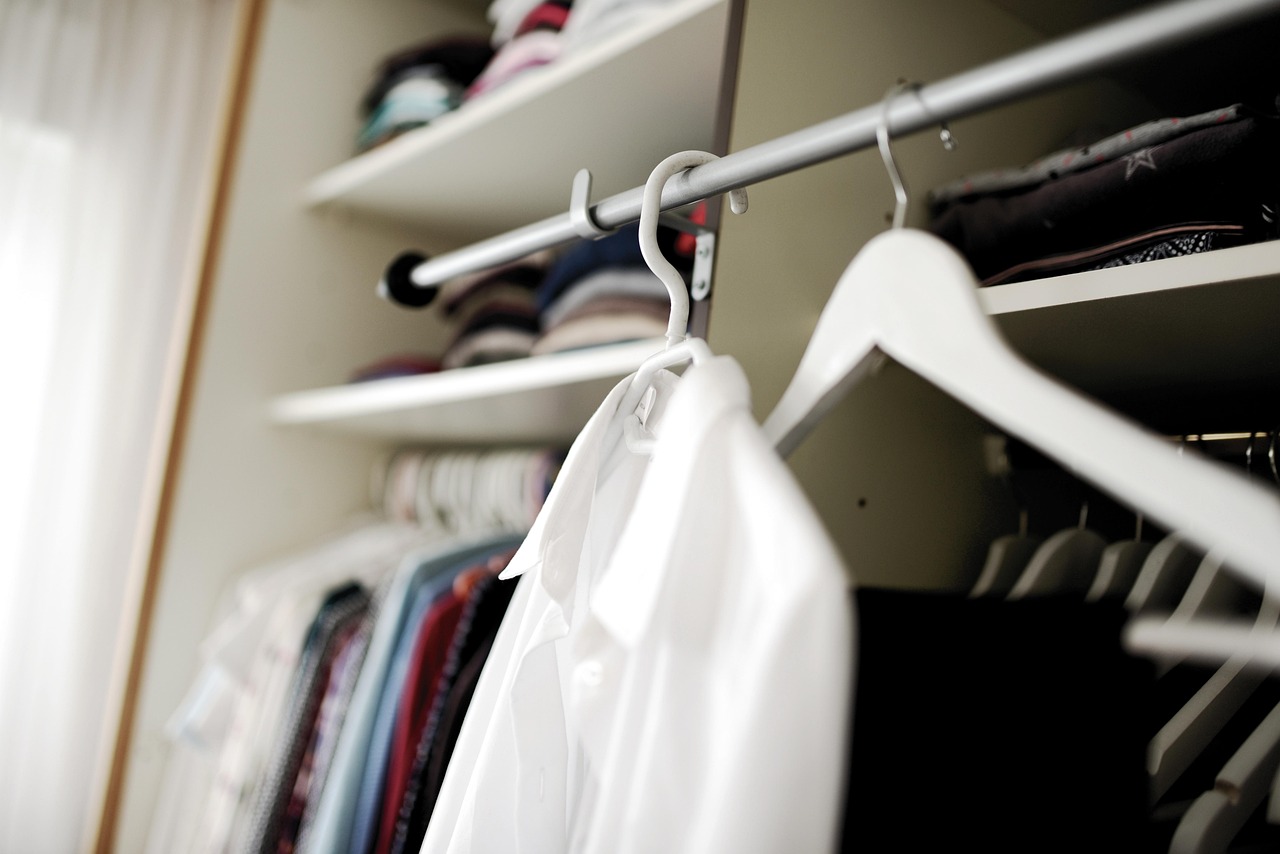
Why the square footage makes this non-negotiable
The 2021 International Residential Code, in Appendix AQ, defines a tiny house as a dwelling of 400 square feet or less in floor area, not counting lofts. That number is the whole reason a seasonal rotation is necessary rather than optional. In an 1,800-square-foot house you can let a winter coat live year round in a hall closet and never notice it. At 400 square feet or below, that same coat is occupying real estate you need in July. The pass exists to make the tradeoff on purpose, on a schedule, so the decision does not get made for you later by clutter.
The pass, step by step
Block out two hours at each change of season. Work one category at a time so you never have the whole house torn apart at once. A workable order:
- Clothing: pull everything you will not wear in the next twelve weeks. Off-season layers, holiday-only pieces, gear for a sport that is out of season.
- Bedding and linens: flannel sheets and a heavy duvet in spring, lightweight covers in fall. Keep one spare set out and store the rest.
- Gear and tools: the space heater, the fans, the beach kit, the snow shovel. This is the bulkiest swap and the one with safety strings attached.
- Kitchen and hobby: items you touch in only one season (the ice cream maker, the canning jars, the holiday serving dishes) rotate to the back or into storage.
For each item, make one of three calls: keep in reach, move to off-season storage, or send it out of the house. The third pile is the one people quietly skip, and skipping it is exactly how a small home fills over a few years.
Where the off-season bins actually go
Storage location is a decision about humidity, not just about square footage. Fabric, paper, and anything organic grows mold when the air around it stays damp, which is why the bins you fill during the pass belong in conditioned space rather than a damp under-bench cavity or a spot beneath a known roof leak. The EPA advises keeping indoor relative humidity below 60 percent, and ideally between 30 and 50 percent, to keep mold off stored clothing, linens, and other organic materials. A sealed bin in a climate-controlled loft is fine. The same bin shoved into an unvented, unheated exterior cavity is a mold experiment you will discover next season.
How high the storage can climb
Small homes push storage upward because the floor is already spoken for, but there is a code-set ceiling on how far up you can build before you start eating into the room you live in. Under IRC Appendix AQ, habitable spaces and hallways must keep a ceiling height of at least 6 feet 8 inches. That figure is the practical limit on overhead shelves and wall-mounted seasonal racks: anything that drops below the 6-foot-8 line in a space you stand and move through is stealing headroom, not adding storage. Keep the high seasonal bins above that plane, over doorways, above the bathroom, in the loft knee wall, wherever nobody needs to stand upright.
Fold the safety checks into the same trip
The seasonal pass already has you handling the bulky gear, so it is the natural moment to run two safety checks most people forget. First, the space heater. Fire officials require a portable space heater to be kept at least 3 feet from anything that can burn, which means it must never be stored or run pressed against stacked bins, bedding, or curtains. When you pull the heater out in fall, clear its 3-foot bubble before you plug it in. When you box it in spring, do not bury it under the linens you just packed.
Second, the smoke alarms. The U.S. Fire Administration says smoke alarms should be replaced 10 years from their manufacture date and tested monthly. A twice-a-year seasonal pass is a clean place to fold in the test and to check the date printed on the back of each unit. If the date reads nine or ten years old, the spring pass is when you buy the replacement.
The pass is not really about tidiness. It is about making a 400-square-foot house behave like a larger one by never letting the wrong season take up residence.
Route the discards instead of trashing them
The out-of-the-house pile deserves a plan of its own. Textiles are the trap: they are easy to bag and toss, and most of them are landfilled. The EPA reports that Americans generated about 17 million tons of textiles in 2018 and recycled only 14.7 percent of them. A pass that just moves unwanted clothing to the curb is feeding that number. Route it instead: donation for anything wearable, textile recycling for anything worn out (many municipalities and retailers take fabric that is stained or torn), and resale for the good pieces you know you will not wear again.
A worked example: the fall pass in a 300-square-foot cabin
Say a couple runs the pass in October. Summer is leaving, winter is arriving. Here is how the calls fall:
- Clothing: shorts, swimwear, and linen shirts go into two labeled bins. Three unworn summer items from last year go straight to the donation bag rather than back into storage.
- Bedding: the lightweight quilt comes off, the flannel set and heavier duvet come out of the loft bin, and the summer bedding takes the loft bin’s place.
- Gear: the box fan is wiped down and boxed. The space heater comes out, and they confirm its spot on the floor keeps a clear 3-foot radius from the sofa throw and the curtain.
- Bins up high: the summer bins go into the loft knee wall, well above the 6-foot-8 standing line, and into a section that stays inside the heated envelope so the swimwear does not sit in damp air all winter.
- Safety: while the ladder is already out for the loft, they test both smoke alarms and read the manufacture date. One unit reads 2015, so it goes on the replacement list.
Two hours, one season swapped, one donation run, and two safety items closed out. That is the whole pass.
When it goes wrong
Assume a season or two will not go cleanly, and know the fix before it happens:
- You open a stored bin to a musty smell or spotting. The air around it was too damp. Move that storage into conditioned space, get relative humidity back under 50 percent, and wash or discard the affected items before the mold spreads.
- Storage keeps creeping down into head height. You have overbuilt above the living space. Pull the lowest shelf back above the 6-foot-8 line and move that overflow into the true dead zones over doors and appliances.
- The discard pile never leaves. Bag it, put it in the vehicle the same day, and make a standing donation drop part of the pass. A pile that lingers by the door becomes permanent.
- The pass keeps ballooning past two hours. That usually means the keep-in-reach pile is too large. If you have not touched something across two full passes, it is a storage or discard item, not a reach item.
Frequently asked questions
How often should I actually run the pass?
Four times a year maps cleanly onto the seasons and keeps each session short, but two passes (one in spring, one in fall) capture most of the benefit and pair naturally with the smoke-alarm test. Pick the cadence you will actually keep. A quarterly pass you skip is worse than a twice-a-year pass you finish.
Do I need dedicated bins, or can I improvise?
Sealed, opaque bins earn their keep because they stack, they keep dust and humidity swings off fabric, and a label ends the guessing. Clear bins work too, but they let light fade stored clothing over months. Whatever you use, keep it inside the conditioned envelope and off any surface that could sit in a leak. The container matters less than where it lives.
What if I have no loft or real storage volume?
Then the discard call has to do more of the work. In a house at or near the 400-square-foot code limit with no loft, you cannot store two full seasons at once, so keep the off-season set genuinely minimal and be stricter about routing the rest to donation or textile recycling. Under-bench drawers and above-door shelves become your only off-season space, and they fill fast.
Kaushik Kyada
Keep reading

Paper, Mail and “Important Documents” in a Tiny Home
How to handle the small paper flow of a modern life without it accumulating on every surface.

Pantry Layout for a Compact Kitchen
How to set up a small pantry that holds two weeks of food, stays organized, and helps you waste less.

Furniture Systems for Small Apartments
How to choose, place, and rotate furniture so a small apartment feels generous without expensive built-ins.