
Where Can You Legally Park a Tiny House?
 Kaushik Kyada
July 22, 2026
7 min read
Kaushik Kyada
July 22, 2026
7 min read
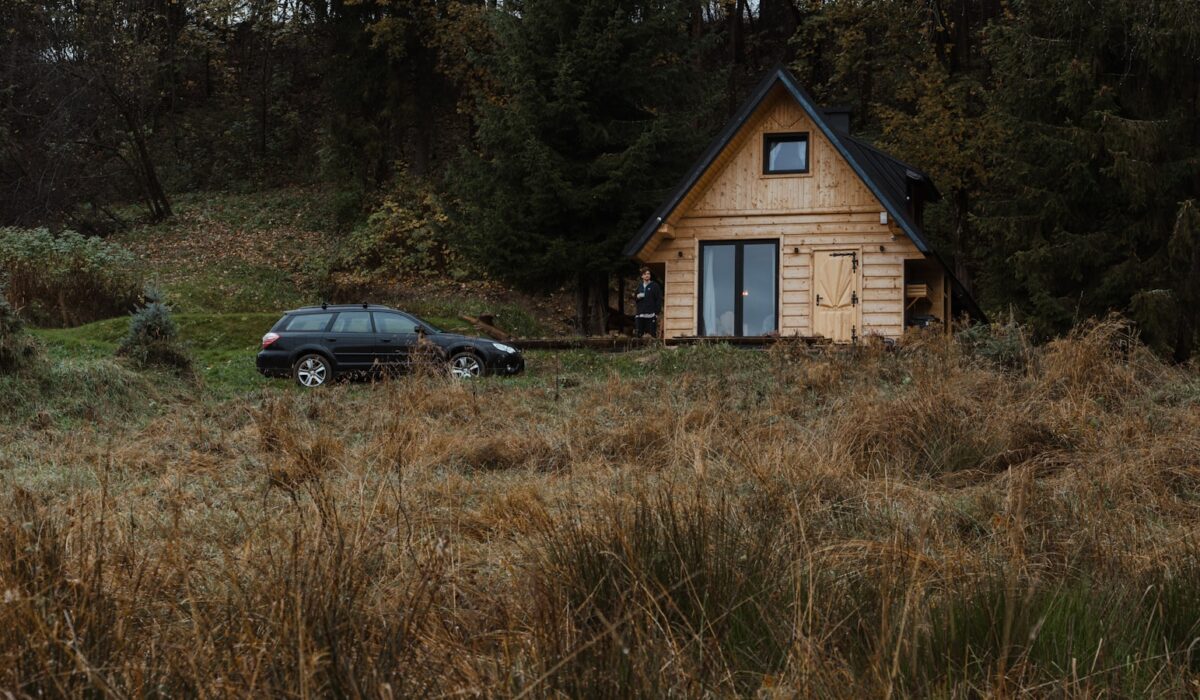
A finished tiny house can sit in a driveway for years without anyone deciding whether it is legal. The trouble starts the day you want to live in it. Zoning maps, RV classifications, and local ordinances, not the quality of your build, decide where a tiny house is allowed to stay. This guide walks through the two legal identities a tiny house can hold, the numbers that define each one, and the exact calls to make before you park anywhere and settle in.

The two legal identities your tiny house can hold
Every tiny house is legally one of two things: a dwelling on a permanent foundation, or a vehicle. Which one you own decides which rulebook applies, and confusing the two is the most common reason people get told to move.
A tiny house on a foundation is judged as a very small permanent home. In jurisdictions that have adopted IRC Appendix Q, a tiny house is defined as a dwelling of 400 square feet or less in floor area, not counting lofts (Section AQ102.1). That definition is what lets a home that small pass inspection as a legal dwelling instead of failing the minimum-size rules that older codes still carry. Appendix Q also relaxes the ceiling-height requirement that would otherwise sink a compact design: habitable space and hallways need only 6 feet 8 inches of clearance, while bathrooms, toilet rooms, and kitchens may drop to 6 feet 4 inches (Section AQ103.1).
If you plan to sleep upstairs, the loft has its own test. To count as legal habitable space under the same appendix, a sleeping loft must be at least 35 square feet in area and no less than 5 feet in any horizontal dimension (Sections AQ104.1.1 and AQ104.1.2). Picture roughly a 5-foot by 7-foot platform with a ceiling low enough that you sit up carefully. Build it smaller than that and, on paper, it is not a bedroom at all.
Parking a tiny house on wheels: the RV route
If your tiny house sits on a trailer, it is a vehicle, and the cleanest legal home for it is usually an RV park or a campground. To be welcomed there without a debate, most builders certify a tiny house on wheels as a Park Model RV. A Park Model RV is built on a single chassis, keeps its gross trailer area at or under 400 square feet in set-up mode, stays no wider than 8.5 feet in transport, and carries ANSI A119.5 certification. That certification is the specific paperwork a park manager looks for before letting you hook up for a season or longer.
Width is not only a park rule, it is a highway rule. Federal law bars any state from restricting vehicle width below 102 inches, which is 8.5 feet, on the National Network of highways. Build wider than that and every move becomes an oversize load with permits, and in some states an escort and daylight-only travel. Holding the exterior at or under 8.5 feet keeps the park manager and the highway patrol satisfied with the same measurement.

The calls to make before you park
Almost every parking problem is preventable with three phone calls made in the right order. Do this before you buy land or sign for a build, not after the house is on site:
- Call the planning department first, not the building department. Ask two questions plainly: has this jurisdiction adopted IRC Appendix Q, and what is the minimum dwelling size for a home on a foundation here.
- Ask about accessory dwelling units. Many places that forbid a standalone tiny home will allow one in the backyard of a lot that already has a main house. The ADU path is often the fastest legal route to full-time living.
- If your house is on wheels, ask about RV occupancy limits. Some counties allow you to live in an RV on your own land only while a main home is under construction; others cap it at a handful of weeks per year.
- Get the answer in writing. Email the planner and keep the reply. A verbal yes protects no one when a new inspector shows up two years later.
- Read the deed and any HOA covenants. Zoning can permit a tiny house while a private covenant on the same parcel quietly forbids it.
A real example: a corner of a 12-acre parcel
Here is a common case, so the rules land somewhere concrete. You buy a tiny house on wheels, 8 feet wide and 280 square feet, and lease a corner of a friend’s 12-acre parcel that is zoned agricultural. On its own, agricultural zoning does not let you move in permanently, so the plan has to be assembled piece by piece.
The county permits a recreational vehicle on agricultural land for up to 180 days a year, so year-round living is not allowed outright. Your friend applies for a temporary-use permit tied to a future barn conversion, which extends lawful occupancy while that project is active. You certify the trailer as a Park Model RV, hold it to 8 feet wide so a tow permit is never needed, and connect to a permitted septic tank and a metered well.
Notice that the house itself never changed. What made the spot legal was the classification and the stack of permits arranged around it. That is the pattern almost everywhere: the structure is rarely the obstacle, the paperwork is.
When it goes wrong: the knock on the door
The most common failure is not a fine on day one. It is a code-enforcement notice, usually set off by a neighbor’s complaint rather than a patrol. It arrives as a letter giving you a fixed number of days to bring the property into compliance or stop occupying the structure. Handle it in order:
- Do not let the deadline pass. Silence turns a notice into daily penalties or a court date.
- Call the officer named on the letter. Ask exactly which code section you are violating. The real fix is often narrower than the letter reads, a single missing permit rather than the whole house.
- Ask whether a temporary-use or hardship permit exists for your situation. Many jurisdictions keep one on the books that is almost never advertised.
- If occupancy itself is the problem, move to a legal address while you sort the paperwork and leave the house on site as unoccupied storage, which is usually permitted.
- If you believe the ruling is wrong, most notices include an appeal window. File in writing before it closes, because it does not reopen.
A tiny house rarely gets rejected for being poorly built. It gets rejected for sitting in the wrong legal category for the land beneath it. Settle the category first, and the question of where you can park mostly answers itself.
Related guides
Frequently asked questions
Can I park my tiny house on my own land and just live in it?
Only if the land’s zoning allows either a dwelling of that size or long-term RV occupancy. Owning the parcel does not exempt you from zoning. Start with the planning-department questions about Appendix Q and minimum dwelling size, and if the house is on wheels, confirm the RV occupancy limit before you move a single box in.
Is it legal to live in a tiny house on wheels full time?
In most places, not on ordinary residential land. A tiny house on wheels is treated as a vehicle, and many jurisdictions cap how long you can occupy an RV outside a licensed park. The reliable full-time options are an RV park or campground that accepts Park Model RVs, or a jurisdiction with a specific ordinance permitting tiny houses on wheels as dwellings.
What is the difference between an RV park and a tiny house community?
An RV park is licensed for vehicles and expects ANSI A119.5-certified units such as Park Model RVs, with hookups and often a stay limit. A tiny house community is usually zoned for small dwellings, sometimes on foundations, and may permit legal permanent residence. The second is harder to find, but it answers the full-time-living question that RV parks frequently cannot.
Kaushik Kyada
Keep reading
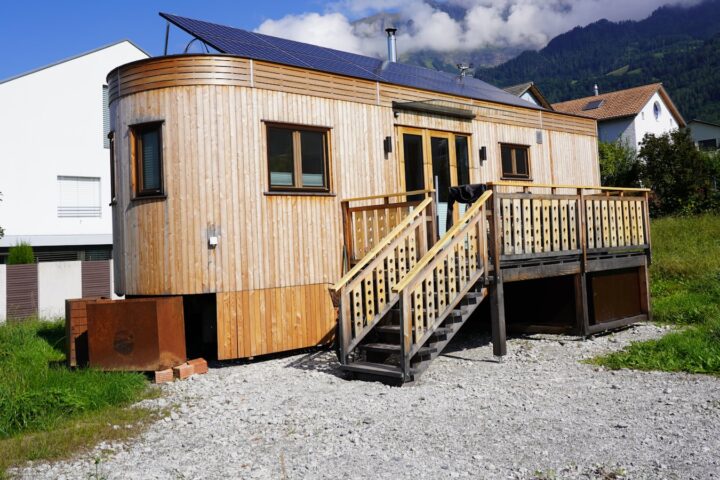
How to Choose a Tiny-Home Trailer: Bumper-Pull vs Gooseneck
The trailer is the one part of a tiny house on wheels you cannot easily swap out later, so the choice between…
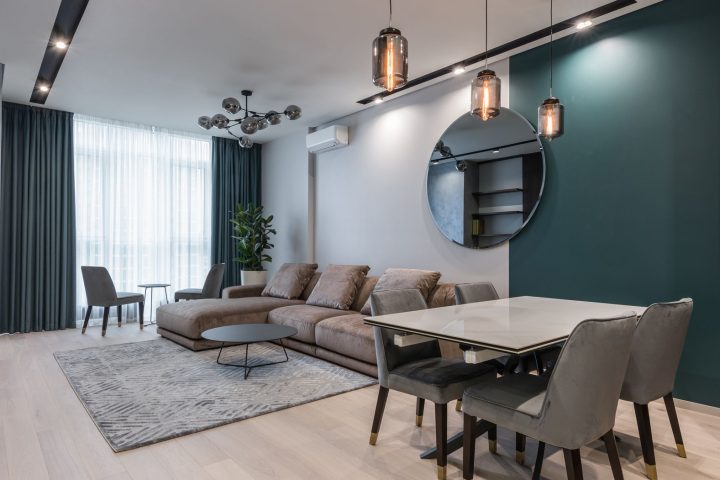
Space Zoning: Making One Room Do Four Jobs
How to build invisible zones in a single room so cooking, working, eating and resting don’t bleed into each other.
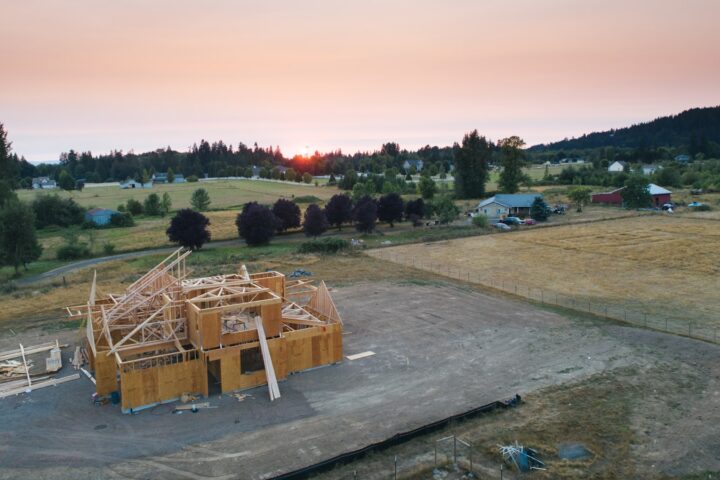
Building vs Buying a Tiny Home: An Honest Cost Comparison
Doing the build yourself can shave thousands off a tiny home, or it can quietly cost more than buying one already finished.…